DEFA Revisited: Volker Petzold on the Legacy of East German Animation
Interview by NATHASHA ORLANDO KAPPLER
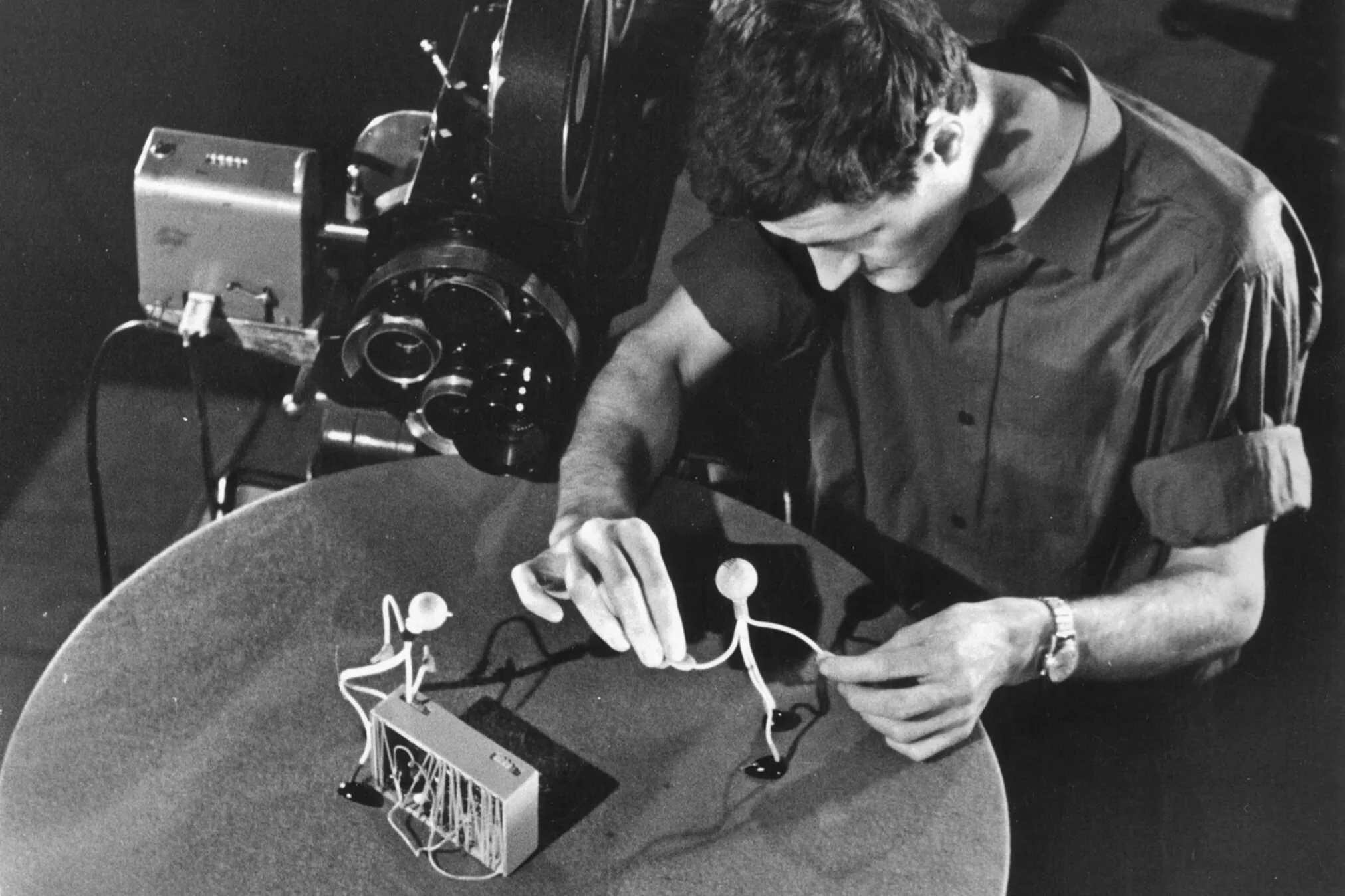
Image 1: Director Jörg Herrmann working on Der Fachmann (1964) as part of the Filopat und Patafil series
Founded in 1946, DEFA became East Germany’s state film studio, while its division, DEFA Studio for Animation Films in Dresden, established in 1955, went on to become the heart of animated filmmaking in the German Democratic Republic (GDR), producing hundreds of films over more than four decades. Working within the cultural and political framework of a socialist state during the Cold War, the studio developed a distinctive artistic language across a range of animation techniques. Although created within the GDR’s state-supported film system, these works were marked by extraordinary craftsmanship, distinctive visual styles, rich cultural references, and a strong sense of storytelling that continue to engage audiences today. As we celebrate the studio’s remarkable contribution to animation with two family screenings of whimsical “Trickfilme” this September 12th and 13th at the Garden Cinema in London, we revisit the legacy of DEFA animation and its important place in the history of international animated film.
To explore this history, I spoke with Volker Petzold, one of Germany’s leading researchers on DEFA animation. When we spoke, Petzold was in Chemnitz preparing for the International Film Festival for Children and Young Audiences SCHLiNGEL, where he works as a programme consultant. As a journalist and former board member of the German Institute for Animated Film (DIAF) in Dresden, Petzold has dedicated much of his career to researching and preserving the history of German animation through publications, exhibitions, and film programmes. His 2022 book ‘From the Hand to the Puppet: A Life for Animated Film. In Conversation with Günter Rätz.’ explores the life’s work of one of DEFA’s most prolific animation directors, featuring a series of interviews Petzold conducted with the filmmaker between 2017 and 2021.
In our conversation, Petzold reflects on the role of DEFA’s Dresden studio, its relationship to other global animation productions and the complex realities of working within a socialist film system. DEFA studios operated as publicly owned enterprises: they had a degree of economic independence, but film production remained connected to state cultural policy, with the Ministry of Culture approving which projects could be made. Despite these conditions, many of these animated works have endured, such as Alarm im Kasperletheater, which continues to be broadcast today and remains a cultural touchstone of German media.
•••
NOK: What made DEFA animation distinctive in comparison to other animation being made around the world? Was there a recognisable DEFA ‘house style’, or were directors encouraged to develop their own visual languages?
VP: You have to know that the studio used different traditional animation techniques such as stop-motion, hand-drawn, and shadow puppet animation, etc., but never computer animation, as it was not possible to do this under the GDR until the late 1980s/early 1990s. This versatility was unique in the whole of Germany or even in Europe for one studio. And every technique had its own influences, also internationally. For example, DEFA’s early puppet animation was heavily influenced by the impressive craftsmanship of Czech animation filmmakers such as Hermína Týrlová and Karel Zeman from Gottwaldov (Zlín) Film Studios, and Jiří Trnka from Trick Brothers Studio (Bratři v triku) in Prague, especially because the Czech Republic was also a socialist country. Later, the DEFA artists created totally new styles and shapes. The best examples of this are the “wire men” from Günter Rätz’s Der Wettlauf, with their very stripped-down, simplified bodies.
It’s very minimalist. Especially in comparison to the other animated DEFA films, which were often drawing inspiration from nature and children’s toys, and had warmer, more detailed worlds. Der Wettlauf has a completely different visual aesthetic.
What he made is absolutely unique. This film was part of a series called Filopat und Patafil which included about 30 - 40 films, not only by Günter Rätz but also by other directors, because the studio earned money from these films which were exported to France. Later, Rätz also adapted Peter und der Wolf, a famous Russian opera for children, and these puppets were also so unique. In cartoon animation, Lothar Barke used the traditional styles of Walt Disney, pre-war-Germany and the Soviet Union, as seen in Alarm im Kasperletheater. The artists Sieglinde Hamacher and, especially Heinz Nagel, who had studied in Prague before, used not much later combinations of cartoon and cut-out animation and broke away from the models, although they were faced with quite a few ideological difficulties as well (for example the accusation of the so called “formalism”). Typically for the studio was also another technique: the silhouette animation invented by Lotte Reiniger. An artist such as Bruno J. Böttge made dozens of films in this style, which was only possible in Dresden. By the way – the studio also had a special department for manipulated puppet films. So there was not really a “typical house style”, but a lot of different styles and also stories. And of course, that was a definite goal of the studio. But there were some important and strict principles: all films had to be humanistic, peaceful, without violence, racism and hatred between peoples, and kind to the audience, etc.
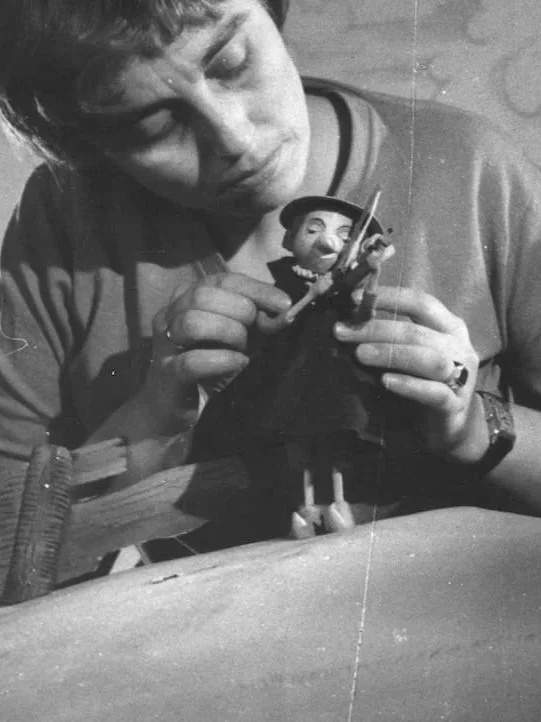
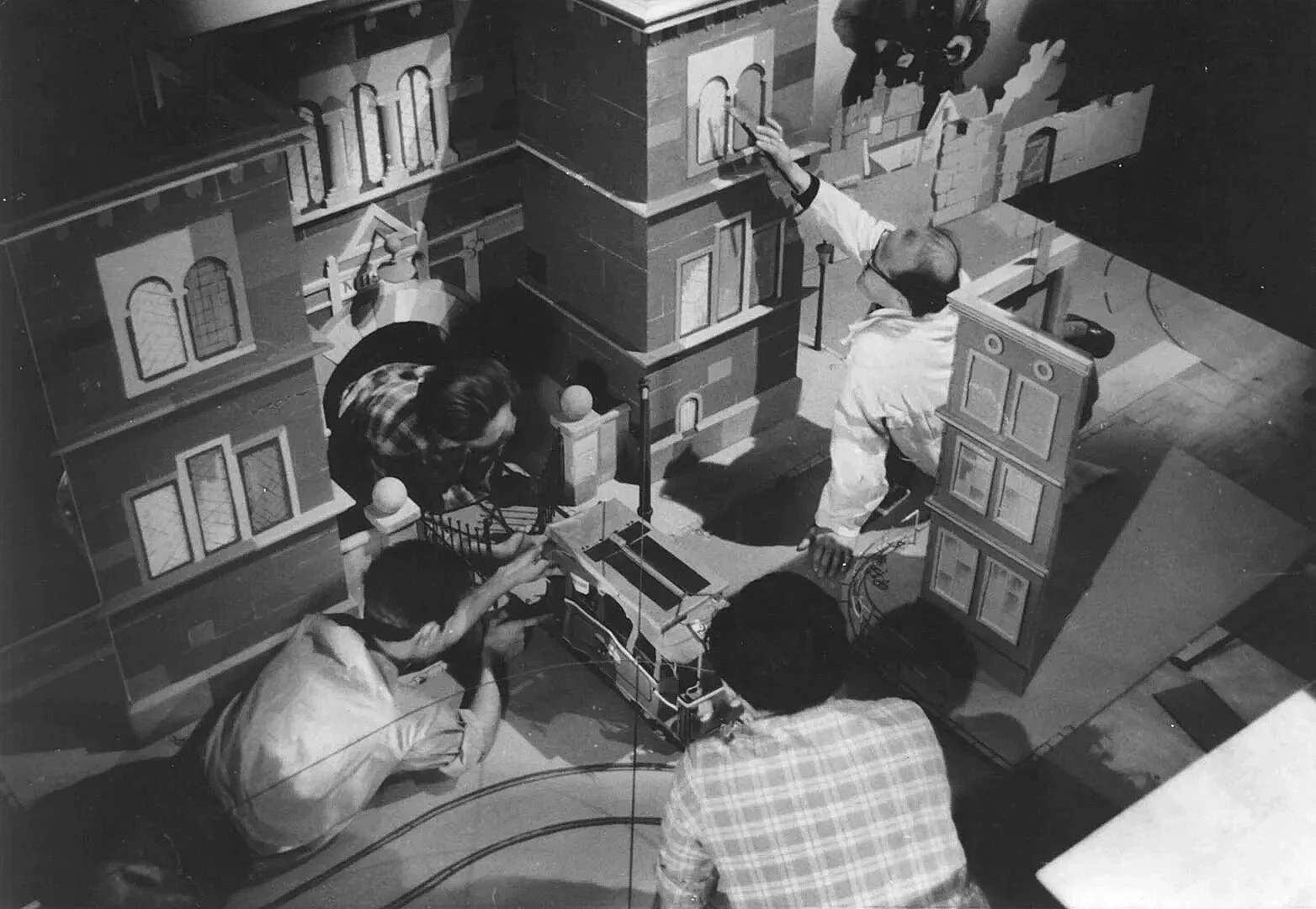
Image 2: Puppet maker Ina Rarisch working on Seltsame Historia von den Schiltbürgern (1961)
Image 3: Director Günter Rätz and his team working on Der tapfere Straßenbahnwagen (1961)
Who were the people making these films? What kinds of artists and craftspeople worked at the DEFA animation studio, and how did that shape the films we see today?
You can say that about 80% of the artists and craftspeople were employed directly in the studio: directors, cinematographers, editors, dramaturges, designers, animators, draftsmen, etc. In the beginning most of them were learning by doing, later they came from special schools or learned in the studio itself. Usually scriptwriters, composers and musicians came from other enterprises, other institutions, or were freelancers. How did that shape the films? You can see that in the films – all the people were excellent professionals.
What role did children's animation play in everyday life in East Germany? Were these films made primarily for cinemas, television, schools, or kindergartens, and what did filmmakers hope children would take away from them?
Catering to young audiences was one of the main aims of the studio. About 60 - 70% of the films, which were mainly shorts, were made for children and were screened in cinemas as part of children’s shorts programmes – which included imported films from other socialist countries, including the Soviet Union, Romania, Hungary, Vietnam, and China – or a short film would be paired with a feature title, which could have been live action. The studio also produced films for children’s television programmes, but never for screenings in schools or kindergartens. This was not usual. But the GDR also had a special distribution line for “Home Cinema”, which were 8mm films without sound that could be screened privately. Video formats practically didn’t exist in the GDR.
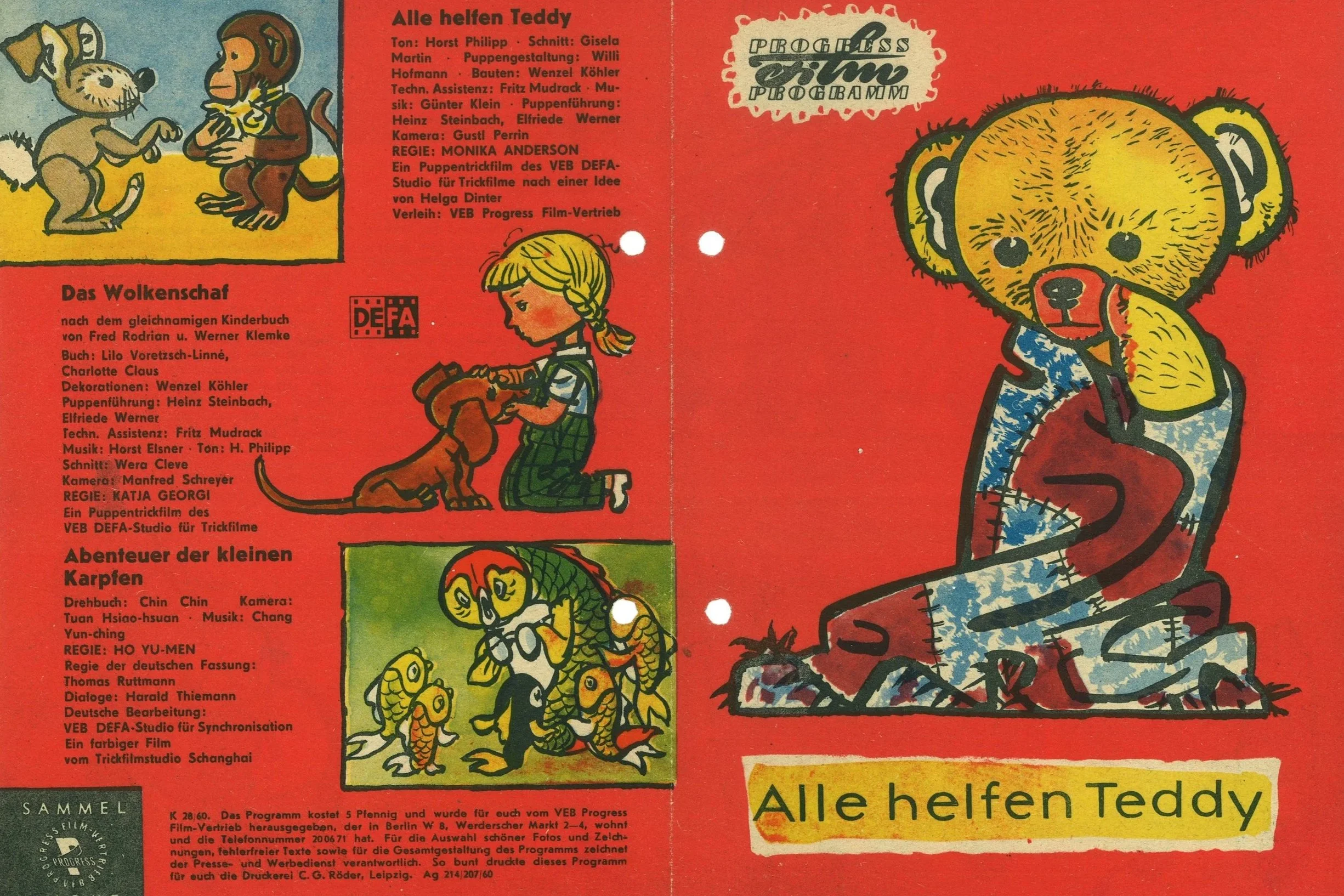
Image 4: A cinema programme of DEFA’s family films from 1960
Many of the films featured in this Reverie Cineclub programme focus on animals or toys with stories about cooperation, sharing and fairness. While these are universal themes in children's storytelling, to what extent do they also reflect the social and cultural values of East Germany?
You are right, these mentioned themes were very important and also typical values not only in animated films but also generally in the culture and the arts for children, like fiction films, literature, theatre, or fine arts. It was very important to transport ethical values and principles through these films – every film was like a manifesto, demonstrating how to behave: helping one another, telling the truth, acting fairly – as part of its educational purpose, to provide educational guidance and to serve pedagogy. And – last but not least – they were also reflected in children’s education. They were part of the state doctrine of the GDR. In the early years, entertainment ranked second to educational purpose, as films were primarily intended to communicate ethical principles and values. By the 1980s, however, this relationship began to change, and entertainment became more important. I was born in 1951, so I grew up in the GDR, and it is true that the themes in these films can be confronting to think about in retrospect.
I think for me personally, Alarm im Kasperletheater is one of the best examples of this – which is based on a children’s book by Nils Werner and Heinz Behling – with its story about a devil who steals food from a grandmother and is then forced to learn the consequences of his greed: that he needs to share with his friends and support them as a community, rather than act as an individualist who only cares about his own needs.
Of course. This film is also a little anarchistic. The devil isn’t represented as a villain but as a very spoiled child. And in the end you’re left with the message that if you don’t behave well, there will be consequences.
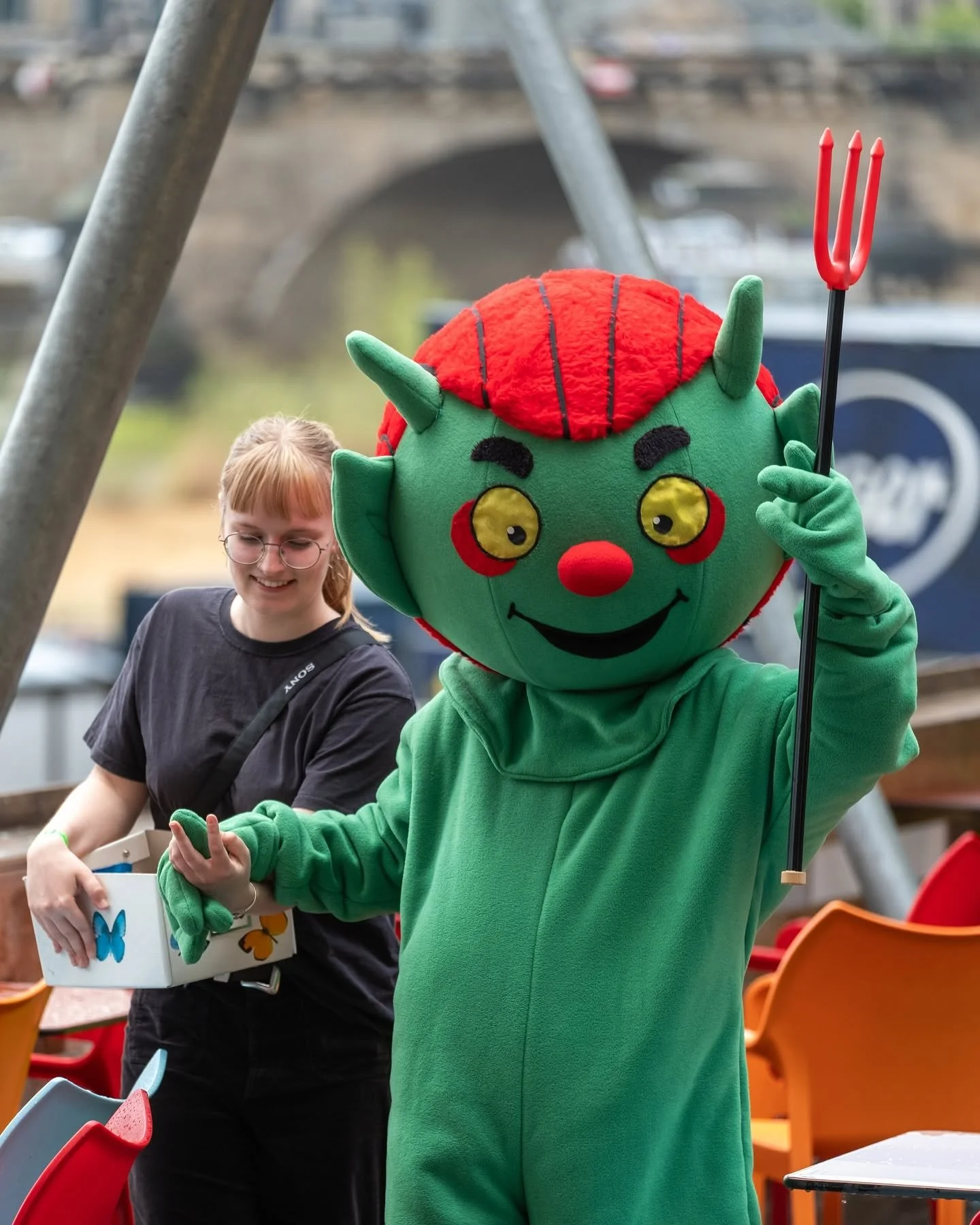
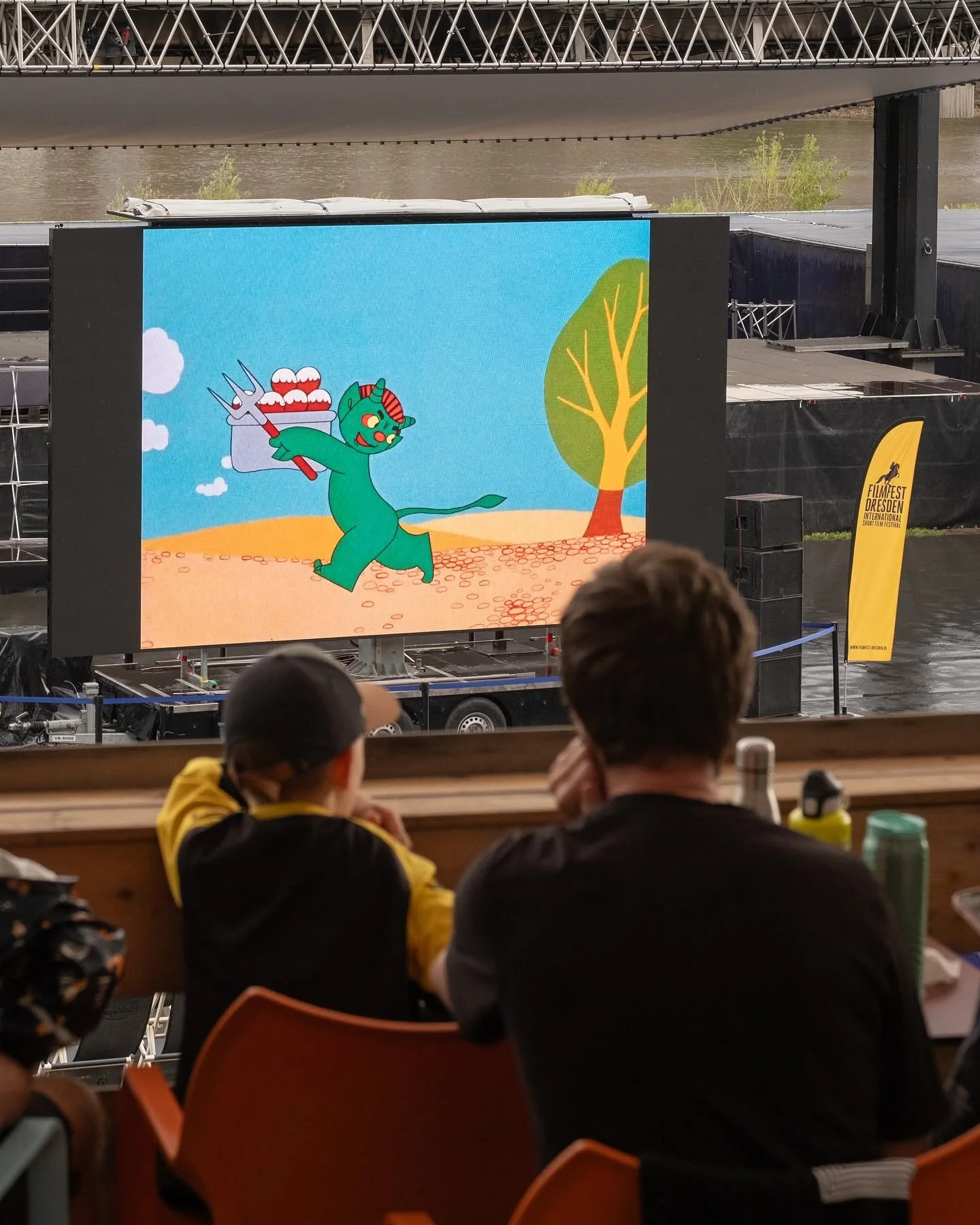
Images 5 & 6: An open air screening of Alarm im Kasperletheater featured at Filmfest Dresden in 2025
I do love the cultural details of films like Alarm im Kasperletheater – such as the Berliner Pfannkuchen, the characters having tea with Oma, etc. – as someone who is part-German, I can see how there could be nostalgic appeal to these animated works, and I think these cultural details are part of what makes them feel so distinctive. These films continue to be celebrated and shown at film institutions and festivals across Germany. Why have they remained such an enduring part of children's media culture?
That is, of course, to the credit of institutions such as the DEFA Foundation and DIAF, which work to preserve the film stock and make these films accessible through cinema exhibitions and television programmes, but also thanks to many festivals, cinemas, television channels, film historians and individuals. These animated films are part of the history of film and culture in a united Germany and cannot simply be forgotten. I believe they have – alongside many others – enormous potential to shape the thinking and actions of young people growing up in a more humane and peaceful way. And they, too, can help preserve knowledge and experience of the beauty of traditional, handcrafted animation techniques in the age of computers and AI.
Many British audiences may have grown up with Aardman, Disney or popular children's cartoons from the BBC. Do you think they'll connect with DEFA's animated films when encountering them for the first time? And why do you think these films are still worth showing to children and adults today?
I hope they will connect with them! It’s thanks to Reverie Cineclub for its courageous work in screening these films, and the curatorial work of programmers, that these films can be circulated outside of Germany, as I don’t know if they are as well known internationally. Nevertheless, it’s important to show and discuss this part of world animation history. I think it is generally important to preserve these cultural achievements for future generations.
Finally, do you have a favourite DEFA animated short, and what about it still moves or delights you every time you see it?
Alarm im Kasperletheater! I love this film very much. It’s a perfect film for me and it’s timeless. I also love the works of Heinz Nagel.
•••
Thank you to Volker Petzold and the Deutsche Kinemathek for making this interview possible.
‘80 Years of DEFA: Animated Short Films for the Family’ screens September 12th and 13th, 2026 at the Garden Cinema in London. Tickets and further information can be found via the Garden Cinema website.
